Advancing Scientific Knowledge into Therapeutic Innovation
The development of new therapeutic solutions requires a continuous connection between fundamental scientific research, experimental investigation and pharmaceutical innovation. Translational science provides this connection by transforming discoveries in molecular biology, pharmacology and biomedical research into knowledge that can support the development of future therapeutic strategies.
Our scientific approach focuses on the mechanisms underlying disease development, the identification of promising therapeutic targets and the evaluation of emerging compounds. By integrating experimental methodologies, biological characterization and pharmacological investigation, we explore the different stages involved in translating scientific discoveries into potential healthcare applications.
From early-stage research to preclinical assessment, therapeutic discovery depends on reliable experimental evidence, interdisciplinary collaboration and a detailed understanding of biological systems. These elements contribute to a more structured approach to pharmaceutical research and support the continuous evolution of therapeutic development.

Translational Science and Biomedical Research
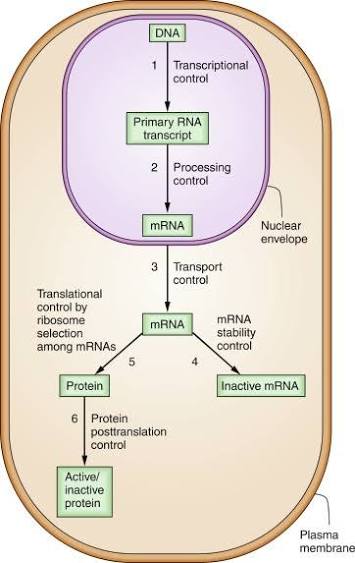
Translational science plays an essential role in connecting laboratory discoveries with clinically relevant research questions. It combines knowledge from molecular biology, cellular physiology, biochemistry and pharmacology to investigate how biological mechanisms can inform the development of new therapeutic approaches.
Understanding the relationship between molecular pathways and disease-associated changes is particularly important when identifying potential intervention points. Research in this field examines cellular responses, protein interactions, gene expression patterns and biochemical processes that contribute to physiological and pathological conditions.
Particular attention is given to:
Molecular and cellular mechanisms involved in disease progression.
Identification and characterization of therapeutic targets.
Biological signaling pathways and their regulatory functions.
Experimental models for investigating disease-related mechanisms.
Translation of laboratory findings into preclinical research hypotheses.
Integration of multidisciplinary evidence in therapeutic investigation.
Combining these research areas provides a broader perspective on the biological foundations of therapeutic innovation.
Therapeutic Target Identification and Validation
The identification of relevant therapeutic targets represents a fundamental stage in pharmaceutical discovery. A therapeutic target may involve a receptor, enzyme, protein, signaling pathway or other biological component associated with a particular disease mechanism.
Target identification begins with the investigation of biological processes and the analysis of molecular changes associated with pathological conditions. Scientific approaches may include genomic analysis, transcriptomic profiling, proteomic characterization and functional cellular studies.
Once a potential target has been identified, validation studies are required to investigate its biological relevance and determine whether its modulation produces measurable effects in experimental systems.
Target validation can involve:
Analysis of gene and protein expression.
Investigation of molecular interactions.
Functional characterization of biological pathways.
Evaluation of cellular responses following target modulation.
Comparison of experimental findings across different biological models.
A well-characterized therapeutic target provides a scientific foundation for subsequent compound screening and pharmacological evaluation.
Pharmaceutical Discovery and Candidate Development
Pharmaceutical discovery involves the systematic identification, characterization and optimization of compounds with potential therapeutic properties. This process integrates several scientific disciplines, including medicinal chemistry, molecular pharmacology, structural biology and computational drug discovery.
The initial stages of compound discovery may involve screening chemical libraries, investigating natural compounds or evaluating molecules designed to interact with specific biological targets.
Following initial identification, promising candidates undergo additional investigation to understand their molecular properties, biological activity and potential limitations.
Important research activities include:
Identification of bioactive molecules and candidate compounds.
Screening and preliminary pharmacological characterization.
Investigation of compound-target interactions.
Structure-activity relationship analysis.
Evaluation of selectivity and biological specificity.
Early assessment of physicochemical properties.
Optimization of candidate molecules for further development.
The combination of experimental and computational approaches can improve the interpretation of screening results and support more informed decisions during pharmaceutical research.

Molecular Pharmacology and Mechanistic Investigation
Molecular pharmacology provides essential tools for understanding how therapeutic compounds interact with biological systems. It examines the molecular mechanisms responsible for drug activity, including receptor binding, enzyme inhibition, intracellular signaling and changes in cellular function.
Mechanistic investigations help distinguish between direct pharmacological effects and secondary cellular responses. They also contribute to understanding dose-dependent activity, compound selectivity and possible mechanisms associated with therapeutic or unwanted effects.
Research in molecular pharmacology may include:
Receptor characterization and ligand-binding studies.
Enzyme activity and inhibition assays.learn more
Investigation of intracellular signaling cascades.
Analysis of concentration-response relationships.
Assessment of pharmacological potency and selectivity.
Evaluation of molecular and cellular responses to treatment.
These investigations contribute to the scientific characterization of candidate compounds and provide information that can guide subsequent preclinical studies.
Preclinical Research and Experimental Evaluation
Preclinical research represents a critical stage between early pharmaceutical discovery and clinical investigation. Its purpose is to generate experimental evidence concerning the biological activity, pharmacological properties and preliminary safety characteristics of potential therapeutic candidates.
Preclinical assessment combines different experimental models and analytical techniques to investigate how candidate compounds behave under controlled research conditions.
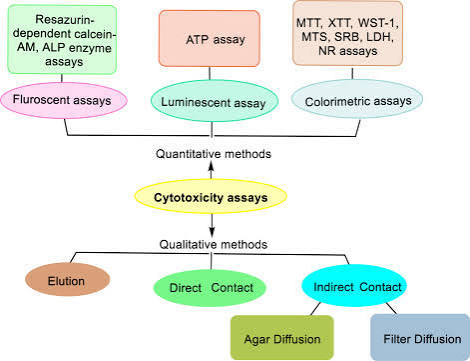
In vitro studies are frequently used to examine cellular responses, molecular mechanisms and biological activity. Depending on the research objectives, additional experimental approaches may involve biochemical assays, cellular imaging, molecular analysis and appropriate animal models.
Key areas of preclinical investigation include:
Biological activity and preliminary efficacy assessment.
Cellular viability and cytotoxicity evaluation.
Molecular and biochemical characterization.
Dose-response and exposure-related investigations.
Preliminary safety and tolerability assessment.
Reproducibility and validation of experimental findings.
The quality of preclinical evidence depends on appropriate experimental design, validated analytical methods and transparent interpretation of results.
Pharmacokinetics and Pharmacodynamics
Understanding the relationship between drug exposure and biological response is essential for pharmaceutical development. Pharmacokinetics and pharmacodynamics provide complementary perspectives on the behavior and effects of therapeutic compounds.
Pharmacokinetics investigates how a compound is absorbed, distributed, metabolized and eliminated by the body. These processes influence the concentration of a substance over time and determine its exposure within different biological compartments.Learn more
Pharmacodynamic investigations focus on the relationship between compound concentration and its biological effects. They help characterize pharmacological activity, response intensity and the mechanisms through which a therapeutic candidate produces its effects.
Major research topics include:
Absorption and bioavailability.
Distribution and tissue exposure.
Metabolic pathways and biotransformation.
Elimination and clearance.
Dose-exposure relationships.
Pharmacological response and concentration-effect models.
Exposure-response analysis.
Integrating pharmacokinetic and pharmacodynamic information supports the evaluation of candidate compounds and contributes to the rational development of dosing strategies.
Biomarkers and Molecular Characterization
Biomarkers are measurable biological characteristics that can provide information about physiological processes, pathological conditions or responses to therapeutic interventions.
In pharmaceutical research, biomarkers may support target validation, disease characterization, pharmacological assessment and the investigation of treatment-associated biological changes.
Molecular characterization can involve several complementary analytical approaches, including gene expression analysis, protein quantification, metabolite profiling and biochemical measurements.
Research activities in this area may include:
Identification of molecular indicators associated with disease mechanisms.
Gene expression profiling and transcriptomic analysis.
Protein expression and functional characterization.
Investigation of inflammatory and oxidative stress pathways.
Evaluation of treatment-associated molecular changes.
Integration of biomarker data into preclinical investigations.
When appropriately validated, biomarkers can strengthen the interpretation of experimental results and contribute to the development of more targeted research strategies.

Clinical Research and Translational Applications
Clinical research represents an important stage in evaluating the safety and effectiveness of therapeutic interventions in human populations. It builds upon earlier scientific and preclinical findings to investigate how potential treatments perform under clinical conditions.
The transition from preclinical research to clinical investigation requires carefully designed protocols, ethical oversight and appropriate regulatory authorization.
Clinical development generally progresses through several stages, each addressing specific research objectives.
Phase I studies primarily investigate safety, tolerability and pharmacokinetic characteristics. Phase II studies explore preliminary therapeutic activity and dose selection. Phase III studies evaluate efficacy and safety in larger patient populations. Following authorization, Phase IV investigations contribute to the understanding of long-term safety and real-world therapeutic performance.
Translational research supports this process by connecting molecular findings, experimental observations and clinical outcomes.
Regulatory Science and Pharmaceutical Quality
Pharmaceutical innovation must be supported by quality systems and regulatory principles that ensure the reliability, safety and appropriate evaluation of medicinal products.
Regulatory science provides the framework for interpreting scientific evidence and determining whether pharmaceutical products meet established requirements throughout their development and lifecycle.
Quality-related activities are integrated into different stages of pharmaceutical research and manufacturing. They include documentation, analytical validation, process monitoring and the implementation of appropriate quality management practices.
Important regulatory and quality considerations include:
Good Laboratory Practice (GLP).
Good Manufacturing Practice (GMP).
Good Clinical Practice (GCP).
Analytical method validation.
Pharmaceutical quality control and assurance.
Stability testing and documentation.
Risk management and regulatory compliance.
A strong understanding of these principles contributes to the reliability of pharmaceutical development and supports the generation of scientifically and regulatorily appropriate evidence.
Emerging Technologies in Therapeutic Discovery
Scientific and technological developments continue to transform the pharmaceutical discovery landscape. Advanced analytical methods, computational tools and high-throughput experimental platforms are creating new opportunities for investigating biological systems and identifying therapeutic candidates.
Artificial intelligence and machine learning are increasingly explored for their potential applications in molecular screening, compound prioritization, predictive modeling and the analysis of complex biological datasets.
Other emerging approaches include:
High-throughput screening technologies.
Computational molecular modeling.
Artificial intelligence-assisted drug discovery.
Multi-omics data integration.
Advanced cellular and organoid models.
Precision medicine and targeted therapeutic strategies.
The integration of these technologies with established experimental methods can support more comprehensive investigations and improve the efficiency of selected research activities.


Advancing the Future of Therapeutic Research
The future of pharmaceutical discovery will depend on the ability to integrate fundamental research, advanced technologies and rigorous experimental validation.
As knowledge of biological systems continues to expand, new opportunities are emerging to investigate disease mechanisms, identify promising therapeutic targets and develop more precise approaches to treatment.
Progress in this field requires continuous scientific evaluation, methodological innovation and collaboration across disciplines.
Connecting scientific discovery with translational research remains an essential step toward understanding complex diseases and supporting the development of future pharmaceutical solutions.